- Have any flooring questions?
- 631-673-1050
- [email protected]

When is the Right Time to Refinish Your Hardwood Floors in Nassau or Suffolk County?

Palermo Flooring: Why Long Islanders are Choosing This Brand for Their Homes
September 6, 2025
Laminate vs. Hardwood: Making the Smart Flooring Investment for Your Long Island Budget
December 18, 2025
Summary:
Key Signs Your Hardwood Floors Need Refinishing
Recognizing when your floors need professional attention isn’t always obvious. The deterioration happens gradually, making it easy to miss the early warning signs.
The most reliable indicator is how your floors respond to water. When the protective finish starts failing, your wood becomes vulnerable to damage that only gets worse with time. Other telltale signs include persistent dullness even after thorough cleaning and scratches that seem to multiply despite your best efforts to prevent them.
The Water Test: Your Most Reliable Indicator
Here’s the simplest way to check if your floors need refinishing. Pour a few drops of water onto your hardwood floor and watch what happens next.
If the water beads up and stays on the surface, your finish is still doing its job protecting the wood underneath. You can breathe easy for now. But if that water soaks into the wood immediately, leaving a dark spot behind, your protective seal has failed.
This test works because a healthy polyurethane finish creates a barrier that repels moisture. Once that barrier breaks down, water penetrates directly into the wood grain. This isn’t just a cosmetic issue. When moisture gets into your hardwood, it can cause warping, cupping, and even mold growth over time.
Try this test in different areas of your home, especially high-traffic zones like hallways and living rooms. You might find that some areas need attention while others are still in good shape. This information helps you plan whether you need partial or full-floor refinishing.
The water test is particularly important for older Long Island homes where original hardwood has been in place for decades. These floors often have character and craftsmanship that’s worth preserving, but they need proper protection to maintain their integrity.
Scratches, Scuffs, and Surface Damage
Daily life leaves its mark on hardwood floors. Pet claws clicking across the surface, furniture legs scraping during rearrangement, and even sand tracked in from Long Island beaches all contribute to surface wear over time.
Light surface scratches are normal and expected. But when you notice deep scratches that penetrate through the finish to expose raw wood, it’s time to consider refinishing. These deeper gouges don’t just look unsightly – they create entry points for moisture and dirt that can cause permanent damage.
Pay attention to high-traffic areas like entryways, hallways, and kitchen walkways. These zones typically show wear first because they endure constant foot traffic. If you’re seeing a network of scratches across these areas, or if individual scratches are deep enough to catch your fingernail when you run it across them, refinishing can restore that smooth, protected surface.
Color changes around scratch marks often indicate the wood has been exposed to air and light, causing oxidation. This natural process changes the wood’s appearance and shows that the protective finish is no longer doing its job. Professional refinishing removes these damaged layers and applies fresh protection.
Nassau and Suffolk County homes often feature beautiful oak, maple, or cherry hardwood that can handle multiple refinishing cycles throughout its lifetime. Don’t let surface damage turn into structural problems that require board replacement instead of simple refinishing.
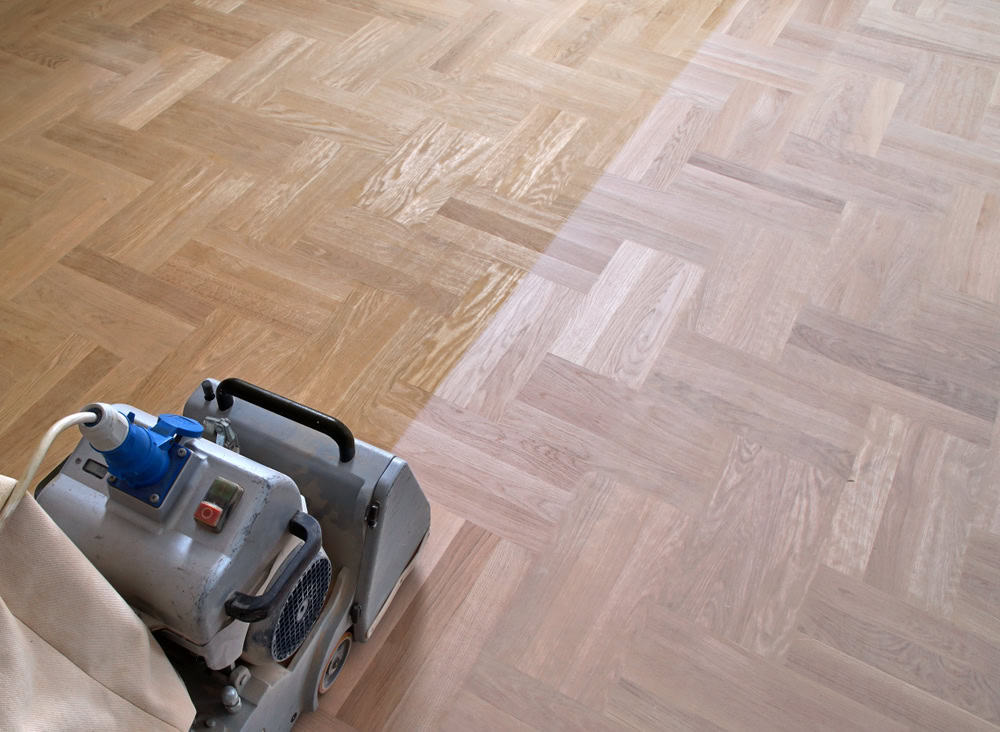
How Often Should You Refinish Hardwood Floors
The timing for hardwood floor refinishing isn’t one-size-fits-all. Your floors’ needs depend on several factors, including foot traffic, maintenance habits, and the quality of the previous finish.
Most Long Island homes benefit from refinishing every 7-10 years in high-traffic areas, while bedrooms and formal dining rooms might go 10-15 years between refinishing cycles. Understanding these timelines helps you budget and plan for this important home maintenance task.
Factors That Affect Refinishing Frequency
Several elements influence how often your hardwood floors need professional attention. Foot traffic tops the list – a busy family with kids and pets will see wear much faster than empty nesters who entertain occasionally.
The type of finish previously applied makes a significant difference too. High-quality polyurethane finishes last longer than basic coatings, potentially extending the time between refinishing by several years. Oil-based finishes typically provide excellent durability, while water-based options offer faster drying times with comparable protection.
Your maintenance routine plays a crucial role in extending your floors’ life. Regular sweeping removes abrasive dirt and sand that act like sandpaper on your finish. Using furniture pads prevent scratches from chair legs and table bases. Cleaning up spills immediately prevents water damage that can necessitate early refinishing.
Long Island’s climate presents unique challenges. Seasonal humidity changes cause wood to expand and contract, potentially creating gaps or causing boards to cup slightly. Homes near the water may experience higher humidity levels that affect how finishes perform over time.
The age and construction of your home matter too. Older Long Island homes often have solid hardwood floors that are 3/4 inch thick and can handle numerous refinishing cycles. These floors were built to last generations with proper care. Newer homes might have engineered hardwood with thinner wear layers that limit refinishing options.
Warning Signs You've Waited Too Long
While hardwood floors are forgiving, waiting too long to refinish can create problems that are more expensive to fix. Recognizing these warning signs helps you act before minor issues become major repairs.
Graying or blackening wood indicates that moisture has penetrated deep into the grain. What starts as light gray discoloration can progress to black staining that may require board replacement rather than simple refinishing. This is especially common around pet areas, near sinks, or where spills weren’t cleaned up promptly.
Cupping occurs when board edges are higher than the center, creating a concave surface. This usually results from moisture imbalance and may indicate subfloor issues that need addressing before refinishing. Severe cupping might require professional evaluation to determine if the boards can be flattened during the refinishing process.
Splinters or rough texture when you walk barefoot signal that the wood surface has deteriorated beyond the protective finish. This creates safety hazards and indicates the wood fibers themselves are breaking down. Quick action can often save these floors, but delay might mean partial board replacement.
Persistent odors, especially musty smells, suggest moisture problems that have led to mold or mildew growth. This requires immediate professional attention and may involve more extensive remediation than standard refinishing.
Large gaps between boards can indicate significant moisture-related movement or structural settling. While some seasonal gap variation is normal, persistent large gaps may require specialized repair techniques during the refinishing process.
Protecting Your Long Island Hardwood Investment
Your hardwood floors represent a significant investment in your Nassau or Suffolk County home. Recognizing the right time to refinish protects that investment while maintaining the beauty and value these floors bring to your space.
The water test, visible wear patterns, and timeline considerations we’ve discussed give you the tools to make informed decisions about your floors’ care. Remember that professional refinishing typically costs a fraction of floor replacement while delivering results that can last another decade or more.
When you notice the signs we’ve covered, don’t hesitate to consult with experienced professionals. We have been serving Long Island homeowners for decades, helping preserve and restore the natural beauty of hardwood floors throughout Nassau and Suffolk Counties.